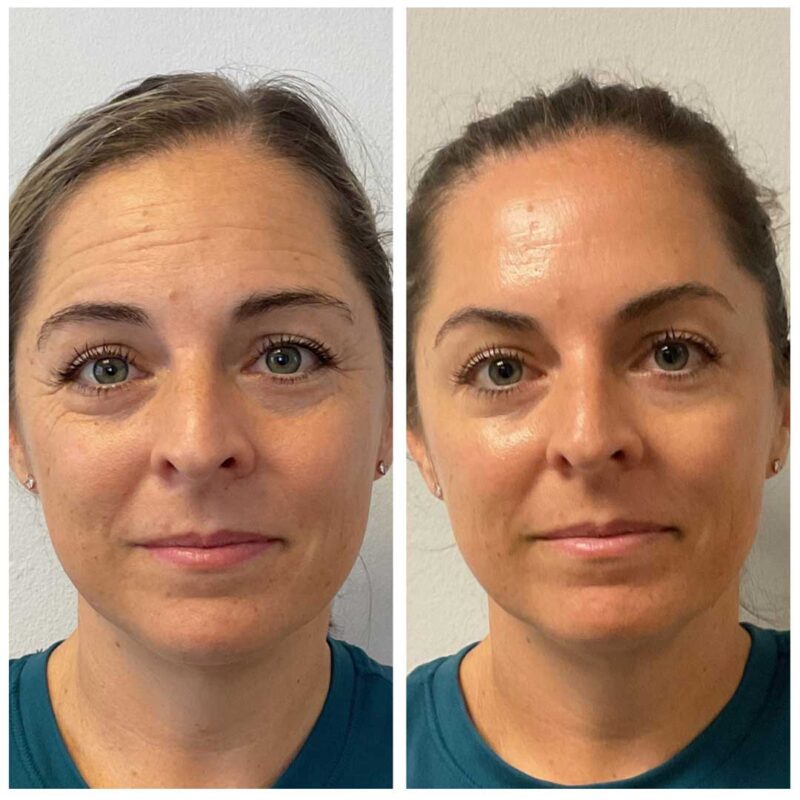
Dysport Injections
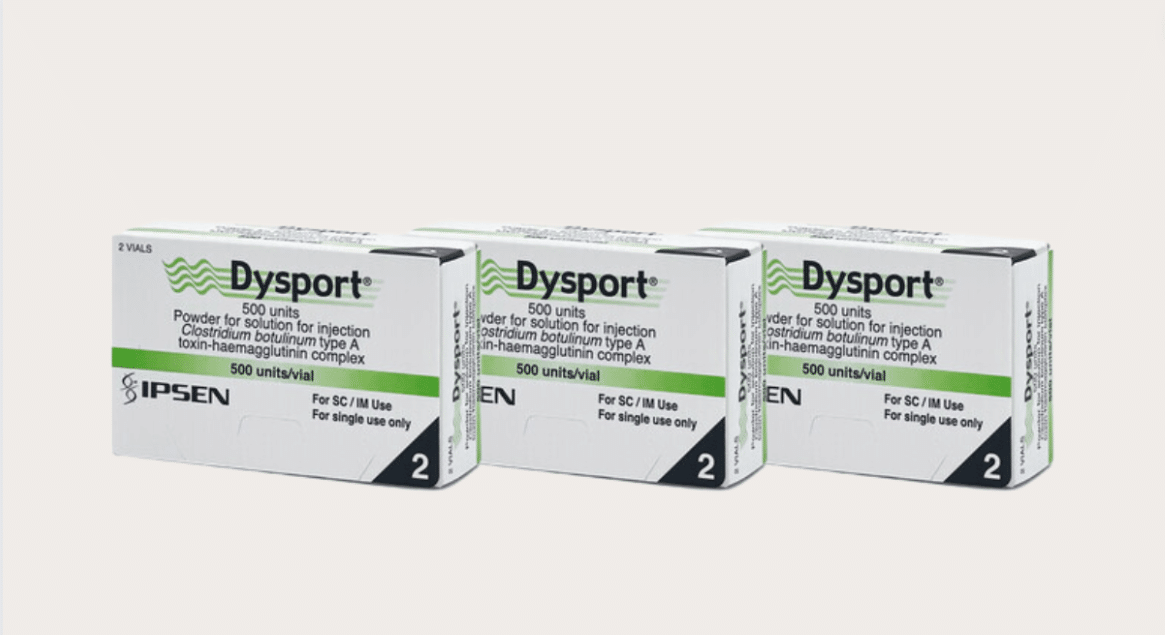
Dysport (abobotulinumtoxinA) for injection is a prescription treatment used to address specific medical conditions. It is approved for managing spasticity in both children and adults starting from 2 years of age, helping to relieve muscle stiffness and improve mobility. In addition, it is indicated for the treatment of cervical dystonia in adults, a condition that causes involuntary muscle contractions in the neck leading to abnormal movements, discomfort, or pain. For safe and effective use, it is important to review the full Prescribing Information, including the BOXED WARNING, before starting treatment.
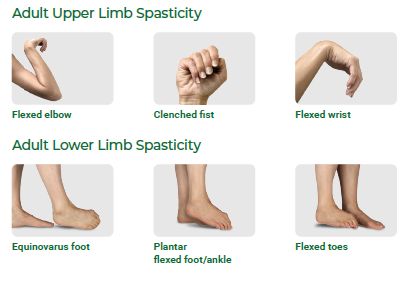
What Is Adult Spasticity?
What causes spasticity?
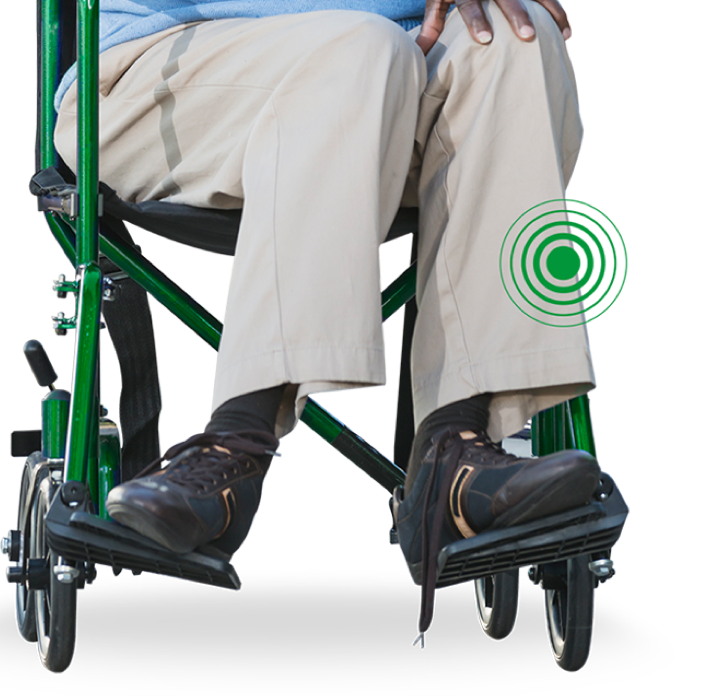
Spasticity can develop as a result of various medical conditions or events that damage the nerve cells responsible for controlling muscle movement. For example, a stroke can disrupt communication between the brain and muscles, leading to involuntary stiffness and spasms. Similarly, serious injuries to the brain or spinal cord often impair normal nerve signals, causing muscles to contract uncontrollably. In addition, chronic neurological disorders such as cerebral palsy and multiple sclerosis are strongly associated with spasticity, as they progressively affect the central nervous system and limit the body’s ability to regulate muscle tone and movement effectively.
- Dysport injections target affected muscles to help relieve stiffness, spasms, and other symptoms caused by spasticity.
- A trained specialist administers the treatment by injecting Dysport directly into specific arm or leg muscles.
- The medicine works by blocking nerve signals that trigger unwanted muscle contractions, with results that typically last for several months.
- Patient response to Dysport treatment can differ, making regular follow-ups with your doctor essential for the best outcome.
- Consult a certified provider about Dysport injections to see if this non-surgical treatment is the right option for managing spasticity or muscle tightness
How Dysport worked in clinical trials
How Long Does it Take For Dysport To Work
Dysport treats both medical and cosmetic concerns. It reduces muscle stiffness in upper and lower limbs, with most patients seeing results within a week and effects lasting 12–16 weeks. Cosmetically, it smooths frown lines, crow’s feet, and forehead wrinkles by relaxing targeted muscles for a refreshed, youthful look. Treatments are repeated every 3 months, with doses tailored by your doctor.
Dysport Treatment Guide: How Long It Lasts, Benefits, and What to Expect
Dysport is a widely used injectable treatment designed to reduce the appearance of dynamic wrinkles and soften facial lines. Many patients choose Dysport for its fast onset and natural-looking results, especially in areas with strong muscle movement. This page explains how Dysport works, how long results last, safety considerations, and how it compares to similar treatments—so you can make informed decisions with confidence.
How Long Does Dysport Last?
On average, Dysport results last three to four months. Some patients notice results slightly sooner compared to other injectable treatments, with visible improvement often beginning within 2 to 3 days. As muscle activity gradually returns, results fade naturally rather than stopping suddenly. With consistent treatments, results may last longer over time.
Dysport by Treatment Area
Dysport is commonly used in areas where muscle movement is strong:
- Frown lines (glabella): ~3–4 months
- Forehead lines: ~3–4 months
- Crow’s feet: ~3 months
- Neck bands: ~3 months
Treatment plans are customized based on anatomy, muscle strength, and desired outcomes.
What Makes Dysport Different?
Dysport spreads slightly more than some other injectable options, which can make it particularly effective for treating larger areas such as the forehead.
Key characteristics include:
- Faster onset in many patients
- Smooth, natural-looking results
- Effective treatment for moderate to severe expression lines
Your provider determines whether Dysport is the most suitable option based on your goals and facial structure.
What Affects How Long Dysport Lasts?
Several factors influence Dysport longevity:
- Muscle strength and activity
- Treatment dosage
- Injection technique
- Individual metabolism
- Lifestyle and physical activity
An experienced injector adjusts treatment plans to balance effectiveness, safety, and natural movement.
How Often Should Dysport Be Repeated?
Most patients repeat Dysport treatments every 3 to 4 months. Maintaining a consistent schedule helps preserve smoother skin and prevent lines from deepening. Overtreating is not recommended. Proper spacing supports optimal results and long-term facial balance.
Is Dysport Safe?
The FDA approves Dysport, and extensive clinical research supports its cosmetic and medical applications. When administered by trained professionals using authentic products, it has a strong safety profile. Temporary side effects may include mild swelling, redness, or bruising at injection sites. Rare side effects typically resolve without intervention.
Learn more on our Treatment Safety & Guidelines page.
Dysport vs Other Injectable Treatments
While Dysport and similar treatments work in comparable ways, they are not identical. Differences may include:
- Onset timing
- Diffusion characteristics
- Unit measurement
- Individual response
A professional assessment helps determine the best option for your needs.
You can also explore our educational comparisons for a deeper understanding.
Planning Your Next Step
Education and product authenticity are essential when considering injectable treatments. Understanding how Dysport works allows you to plan treatments safely and effectively.
Explore professional Dysport options and related products in our shop.
Review important safety information before purchase or treatment
FAQ
How quickly does Dysport start working?
Many patients see initial results within 2–3 days, with full results visible in about 10–14 days.
Does Dysport last longer than Botox?
Duration is similar for most patients, though individual response varies.
Can Dysport look natural?
Yes. Proper dosing and technique support natural facial movement.
Is Dysport suitable for first-time patients?
Yes. A professional consultation helps determine suitability.
medical Disclaimer
This article actively informs readers about cosmetic and medical topics for educational purposes only. It does not serve as medical advice, nor should it replace guidance from a qualified healthcare professional. Because every individual’s health situation and treatment goals are different, readers should always seek personalized advice from a licensed medical provider before making any decisions related to Botox or other injectable treatments. Additionally, the information presented here reflects general knowledge and may not apply to every case. For this reason, professional consultation remains essential to ensure safe, appropriate, and effective care.